When kids head back to school, safety conversations often focus on classrooms, schedules and routines. But one of the most important parts of the day happens before the first bell and after the last one: getting there and getting home safely.
Children walking, biking or waiting for a bus are vulnerable road users. NHTSA notes that school buses are among the safest vehicles on the road, but children can be especially vulnerable while approaching or leaving a bus, crossing streets and moving through school zones.
Simple safety habits work best when they become automatic.
If your child walks to school.
- Keep phones down while crossing streets. Stop in a safe place if a message needs attention.
- Use sidewalks whenever possible. If there is no sidewalk, walk facing traffic along the edge of the roadway.
- Use marked crosswalks and look left, right and left again before crossing.
- Keep headphones and other distractions from blocking awareness of traffic and surroundings.
- Do not assume a driver sees you. Make eye contact when possible and wait until vehicles are stopped before entering the roadway.
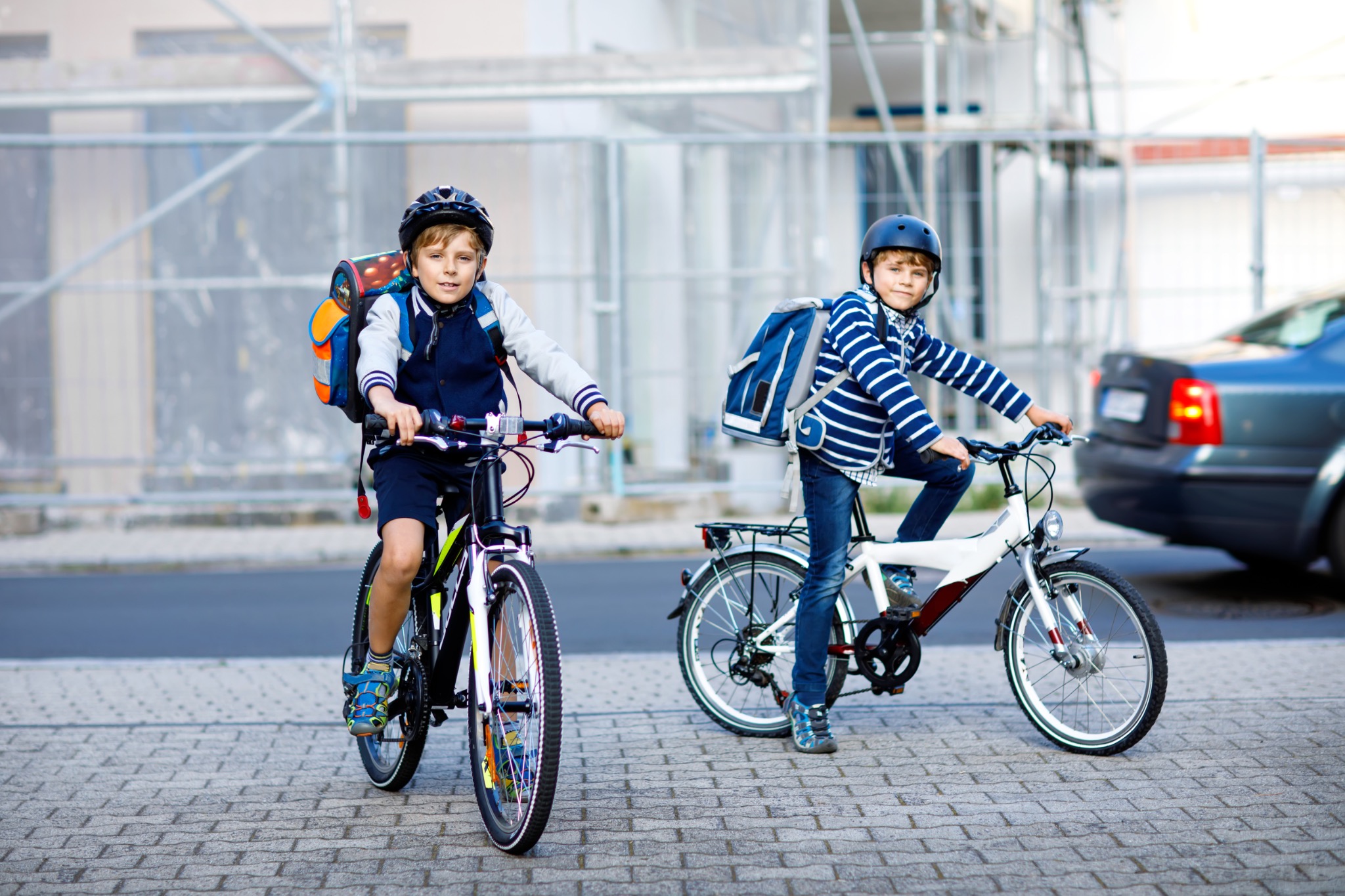
If your child rides a bicycle.
- Wear a properly fitted helmet and fasten it every ride.
- Ride in the same direction as traffic and follow traffic signs and signals.
- Use bike lanes where available and avoid electronics while riding.
- Wear visible clothing and use lights or reflectors when conditions call for them.
- Use predictable hand signals when turning or changing direction.
If you are the driver.
- Slow down in neighborhoods, school zones and areas near bus stops.
- Expect children to appear from between parked cars or to make a sudden move.
- Yield to pedestrians in crosswalks and never pass another vehicle stopped for a pedestrian.
- Stop for school buses displaying red flashing lights and an extended stop arm, and wait until it is safe and lawful to proceed.
- Put the phone away. Around children, a few seconds of distraction can have permanent consequences.
Safety is usually built before the critical moment.
The best time to teach a child how to cross the street is not while a car is approaching. The best time to decide not to text and drive is not after a close call. Risk management works the same way in business and in life: establish the behavior before the pressure arrives.
These conversations do not need to be complicated. Repeat the basics. Model the behavior. Pay attention. And remember that every driver shares responsibility for the people using the road around them.
Updated using current school transportation, pedestrian and bicycle safety guidance from the U.S. National Highway Traffic Safety Administration. NHTSA Back-to-School Safety